How to Capture a Stunning Landscape Photo
These tips aren’t just for landscapes—they’ll improve almost any type of photography.
A Little Bit of Luck
Let’s start with something unexpected: luck matters.Photography isn’t only about skill or expensive gear. Sometimes you can visit the exact same location day after day, and then one morning everything changes. A layer of mist, golden sunrise light, dramatic clouds, or even a rainbow appears at just the right moment.Those are the moments when nature does half the work for you.Your job is simply to be there, camera ready, when everything comes together.
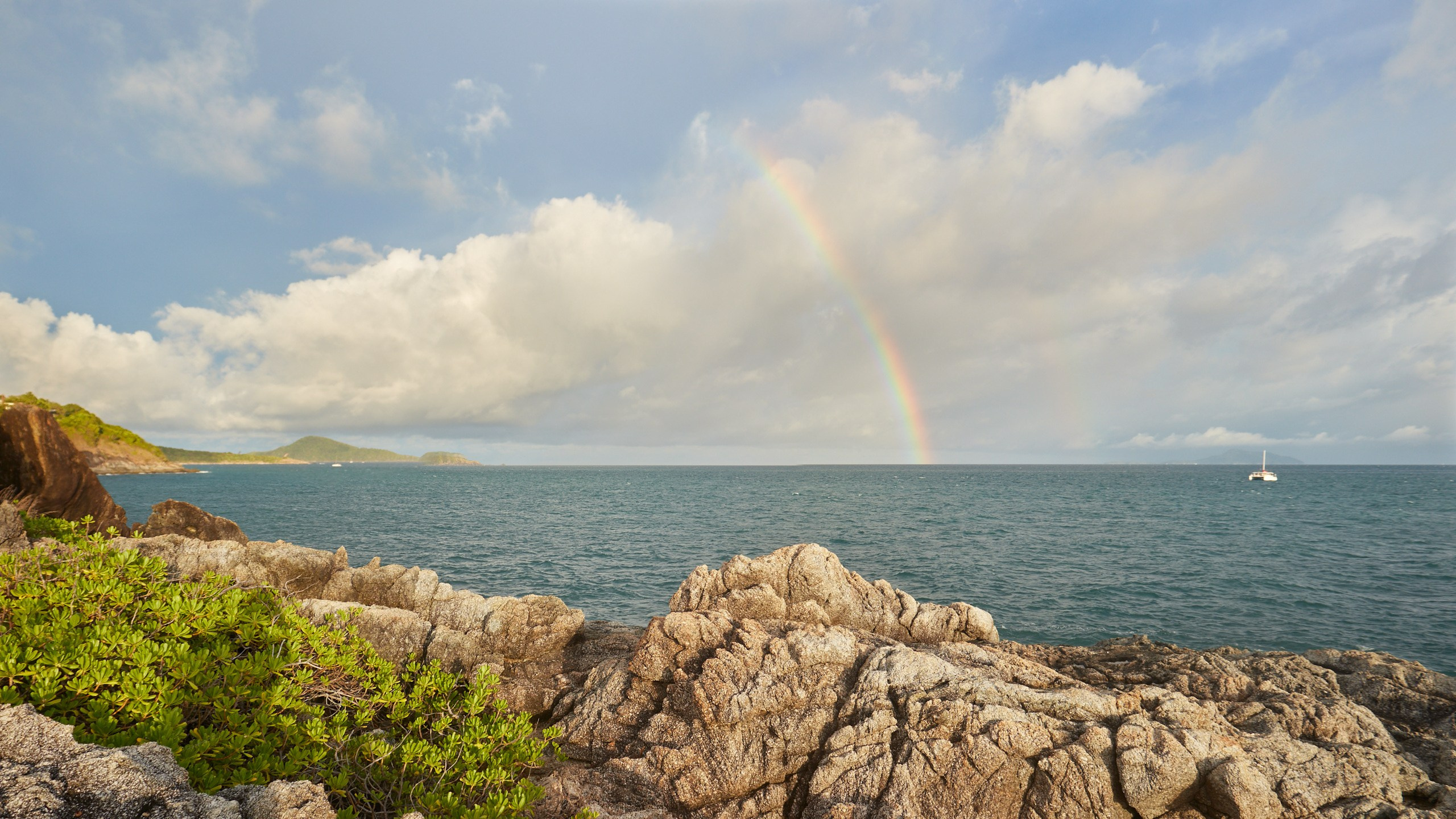
But taking a great photo isn’t just about pressing the shutter. It’s about noticing the moment, stopping, and taking the time to compose your shot. Those “lucky moments” are what often turn into photographs that evoke emotion and capture the viewer’s attention.
Most people simply pull out their phone, take a quick picture, and move on. But if you want your images to truly stand out, composition is the key.
The Five Elements of Composition
Every photographer has five essential tools: lines, shapes, light, color, and space. Mastering these elements will help you create stronger, more compelling images—even if you’re shooting with a smartphone.

For example, a rainbow can become a leading diagonal that guides the viewer’s eye through the image, while clouds can add rhythm, depth, and dimension.
The goal isn’t just to capture the moment—it’s to compose the frame like a painting. When a beautiful natural phenomenon meets thoughtful composition, that’s when you create the kind of photograph that grabs attention at first glance.

Look Up
Clouds play a huge role in landscape photography. Sometimes they become the main subject themselves. Try shifting your focus from the land to the sky—give it more space in your frame and let it tell the story.

Then your composition starts to rely on the shapes and textures of the clouds, the play of light, and subtle color variations. Even a simple field or a quiet shoreline can look completely different when the sky is full of drama, movement, and atmosphere.
The sky can often tell the story of a photograph better than any other element. It’s one of those rare cases where the background becomes the main subject.
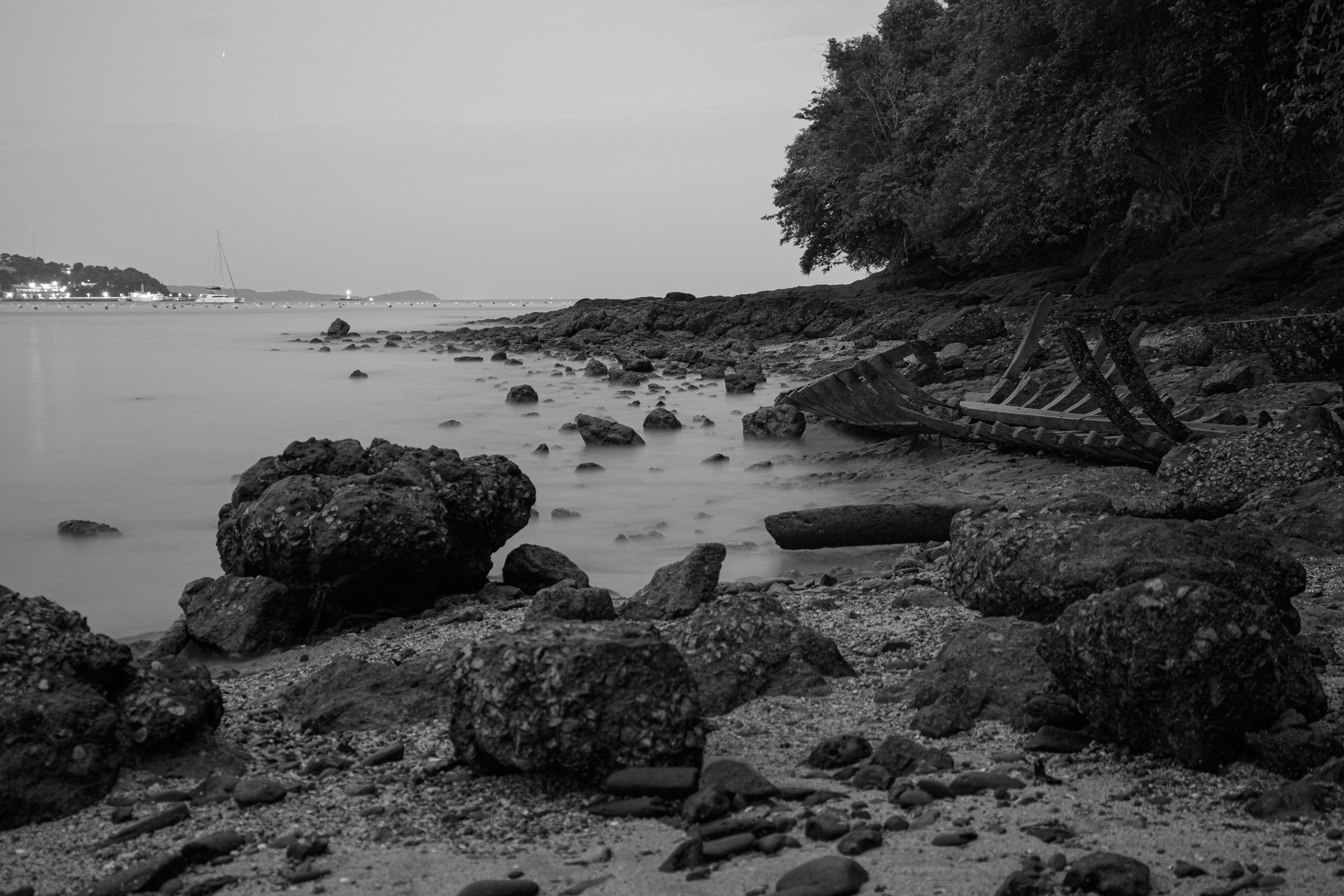
When It’s Up to You: Long Exposure
If luck isn’t on your side, don’t worry. Some techniques put you completely in control—and long exposure is one of the best.Today, even smartphones can simulate the effect of a long exposure, but nothing quite matches the look of a real camera. It’s more than just a technical trick—it’s a creative way to capture the passage of time, movement, and atmosphere in a single frame.
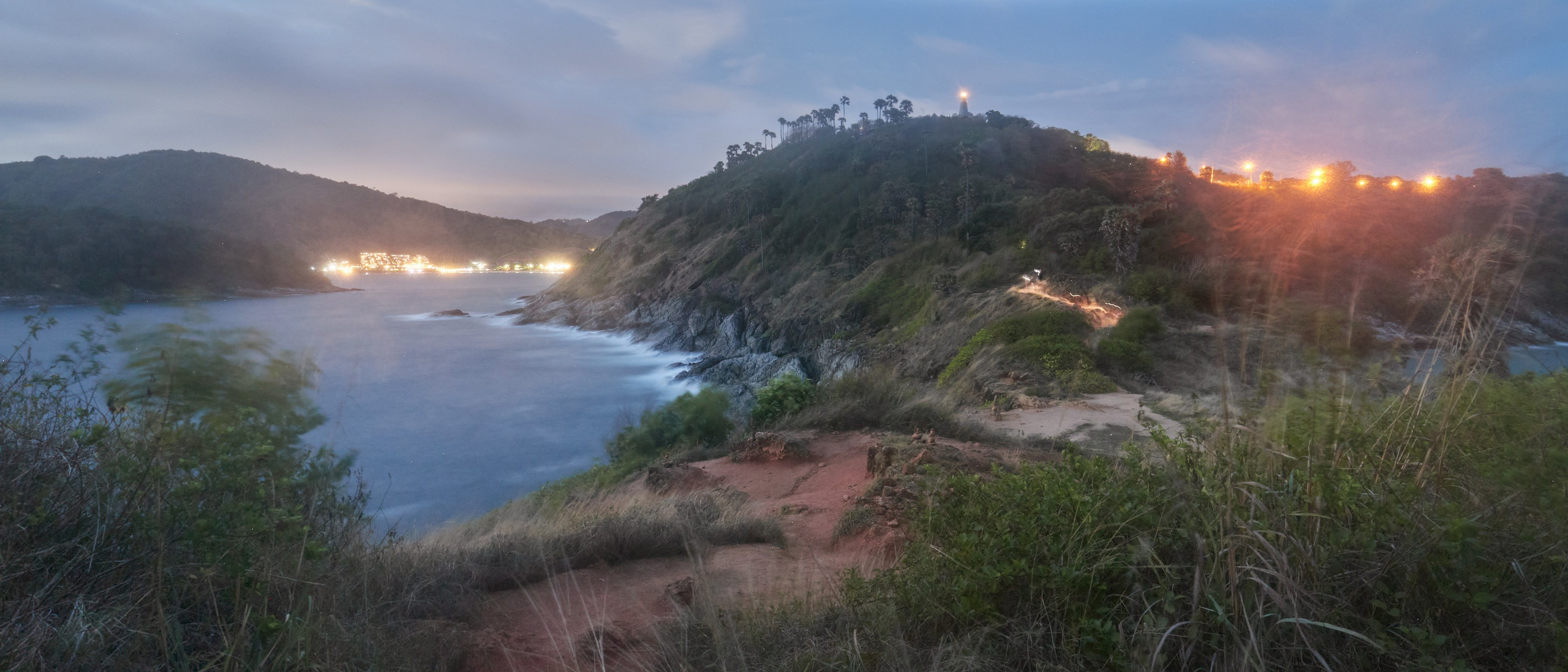
For example, when photographing a waterfall or the ocean, a long exposure transforms the water into a soft, silky veil. The image instantly feels calmer, smoother, and more serene. The same applies to clouds or smoke—they become fluid, almost as if they were painted with a brush.
If you’re using an iPhone, there’s an easy way to try this. Turn on Live Photos, take your shot, then swipe up and select the Long Exposure effect. You’ll instantly see moving elements blend into smooth streaks of light and texture.
An ND Filter Is Your Best Friend
If you want to shoot long exposures in daylight, you’ll need an ND (Neutral Density) filter. Think of it as a pair of sunglasses for your camera. It reduces the amount of light entering the lens, allowing you to use much slower shutter speeds even under bright sunlight—without overexposing your image.

Simply attach the filter to your lens, and you’ll unlock endless creative possibilities. Water, skies, city streets, and moving crowds can all be transformed into striking images full of depth, motion, and atmosphere.
Long exposure allows you to capture something the human eye can’t see directly—the passage of time. And that’s often what separates an ordinary photograph from one that truly stands out.

Final Thoughts
Photography is about much more than camera settings and technical skills. It’s about paying attention, recognizing the moment, and telling a story. Sometimes the perfect shot happens by chance. Other times, you create it deliberately. Either way, the most important skill is learning to see beauty—and capturing it before it’s gone.Remember to think about composition, watch the light, and don’t be afraid to experiment with long exposures. And may a little luck be on your side as well.Thanks for reading! If you found this guide helpful, share it with your friends and check back soon—there’s plenty more to come.
May your lens always be fast!



Guide to working with light and camera

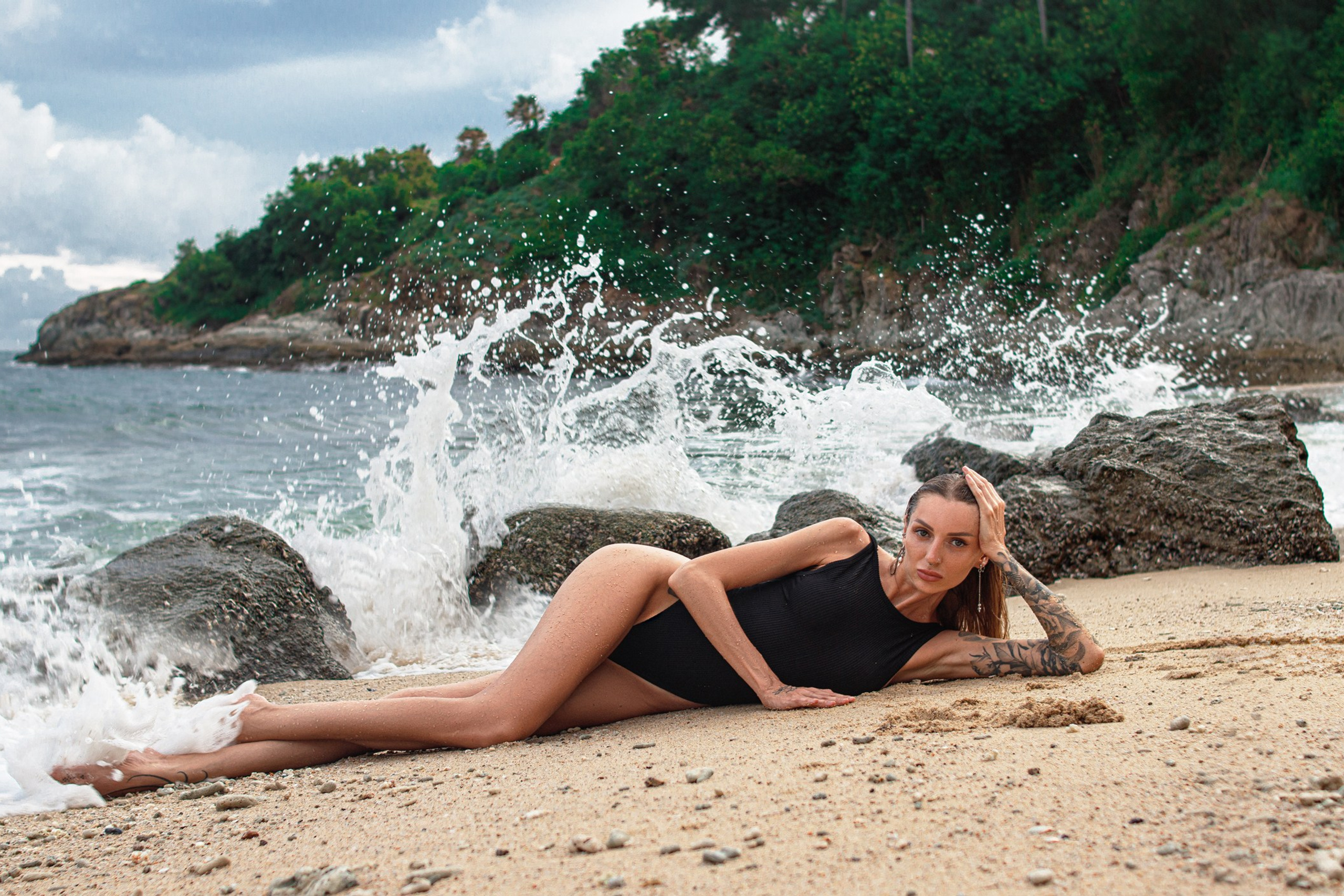


“Clamshell” lighting setup