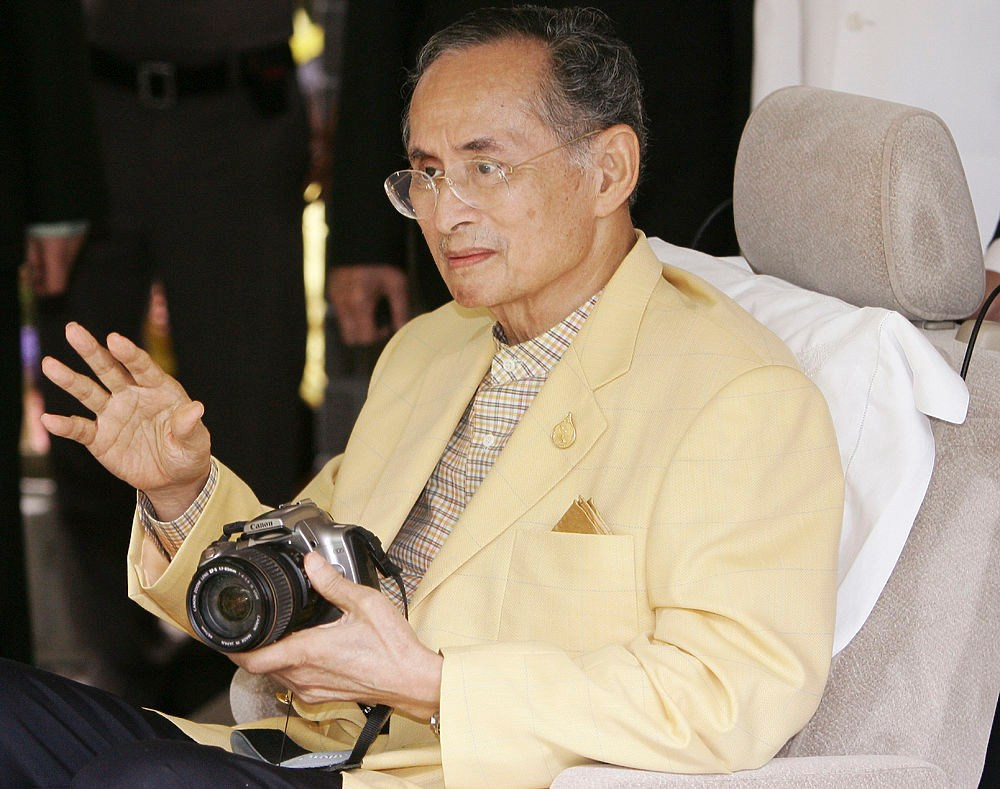
King Bhumibol Adulyadej of Thailand (Rama IX) was remembered by the world not only as an outstanding monarch, but also as a man whose constant companion was a camera around his neck.
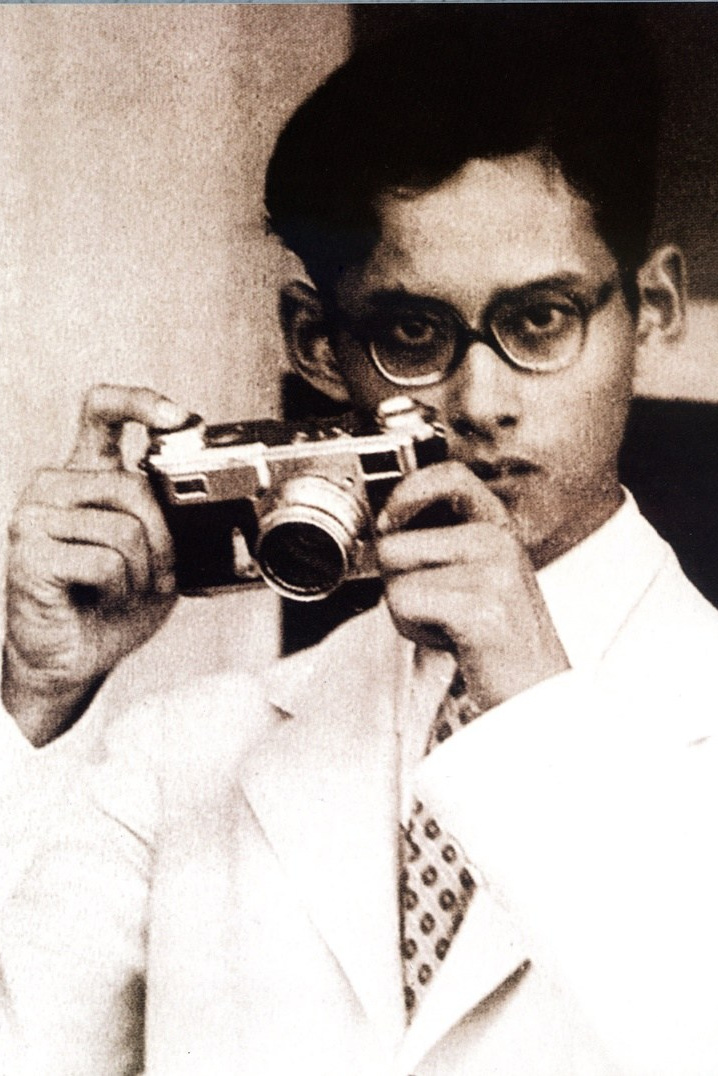
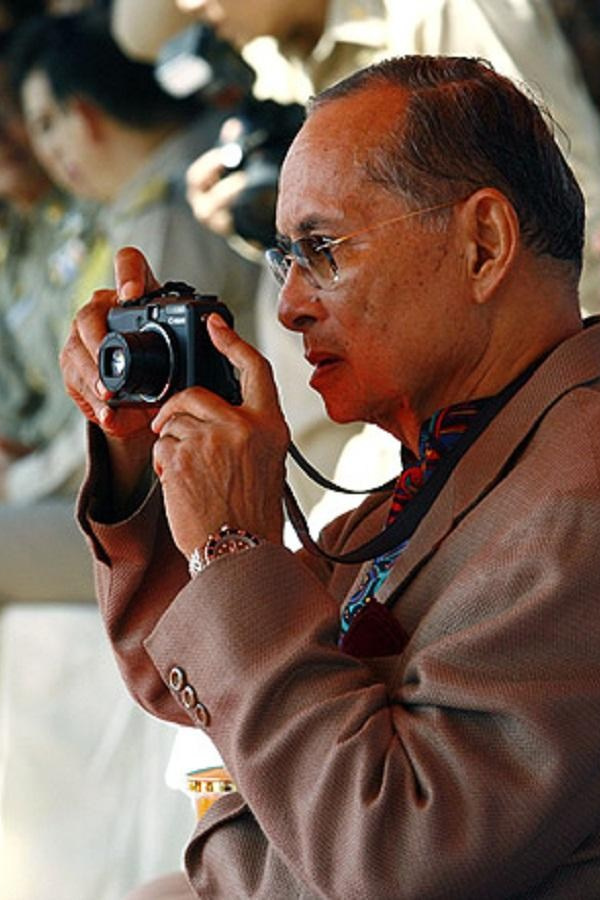


Strolling through the streets of the old town on In Phuket, you may notice graffiti of King Rama IX, where in one of the drawings he will be depicted with a camera in his hands. He was a self-taught amateur photographer who loved photography and took a lot of pictures.
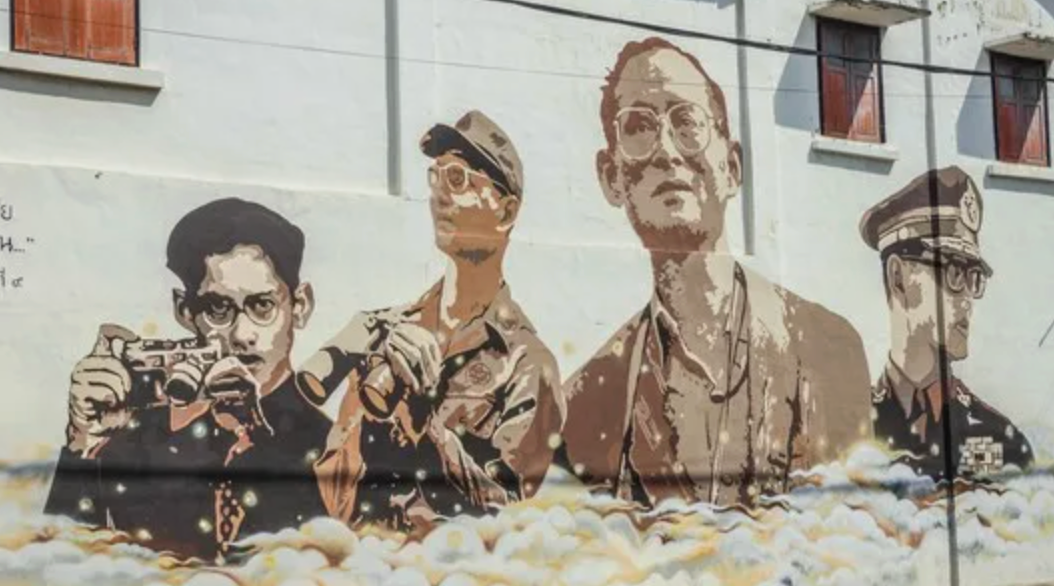
May 5, 1950: King Bhumibol during his coronation in The Royal Palace in Bangkok
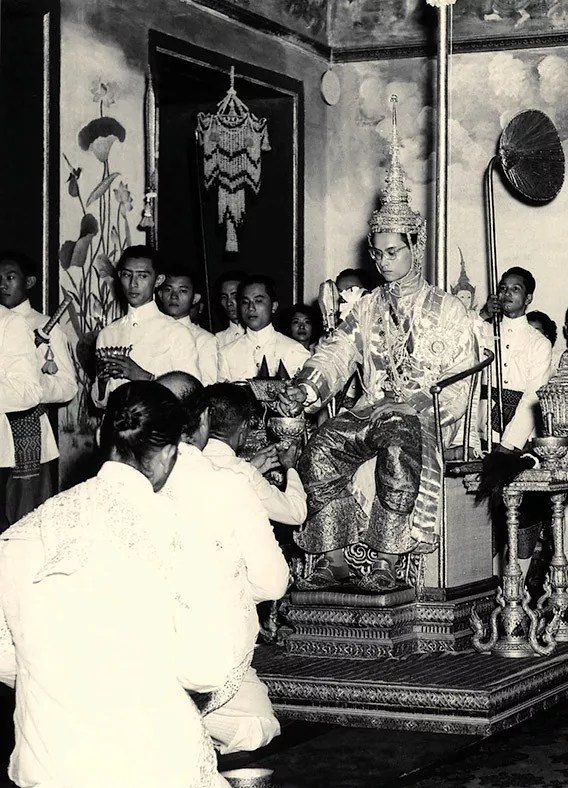
The first steps
His passion for photography began at the age of eight, when his mother gave him his first camera. At that time, the equipment was not yet automated: the process of adjusting the shutter speed and aperture on film cameras was a difficult task for a beginner. However, the future monarch mastered art on his own, constantly studying specialized literature and consulting with professionals. Over the years, he has used many cameras, including German, Soviet, and Japanese-made cameras.

A tool for the country’s development
In these images, you can observe not just landscapes, but the documented pain of the Thai land — from large-scale floods to the lifeless “bald mountains” of Doi Hua Lon.
Many people associate government restoration programs with complex drawings, maps, and dry reports from officials, while in the photographs taken by the king, one can see that the beginning of great environmental and social changes was a simple photograph.

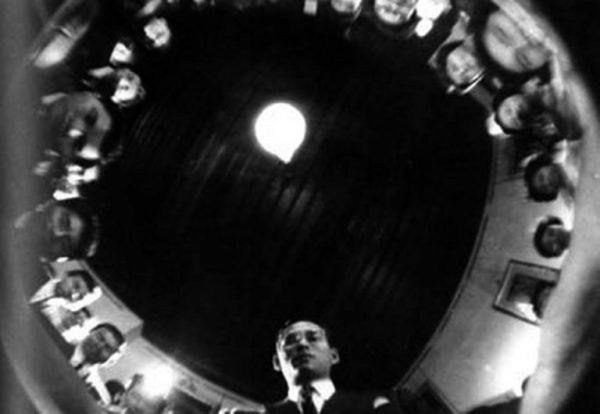
Fisheye lens
The King was very fond of experimenting with camera angles. He often used a fish-eye lens. During a meeting with Thais in Australia, he put the camera on the table with the lens facing up to capture all the people gathered around him in one shot, symbolically showing how he “hugs” his people.
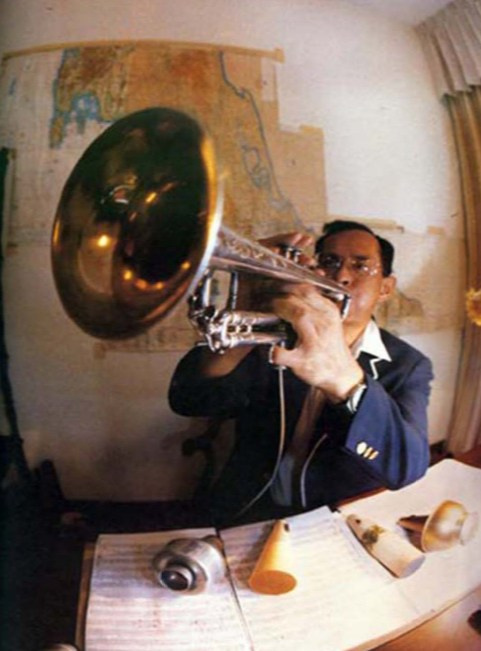
He used the same lens along with a self-timer to make a famous self-portrait while playing the trumpet, where the instrument’s mouth appears huge and attracts the viewer’s attention.
Mastery of working with light
Rama IX used studio techniques outdoors. He used a contour light to highlight the human figure and add depth to the frame. When photographing his grandchildren in the palace , he used a highly sensitive film in order not to use a flash and to preserve the softest, natural lighting that conveys the atmosphere of home comfort.


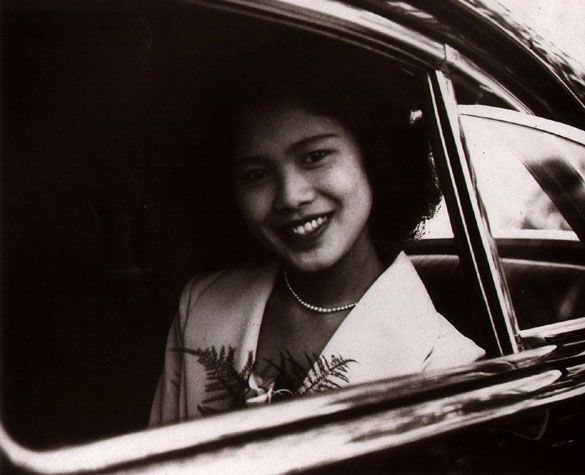
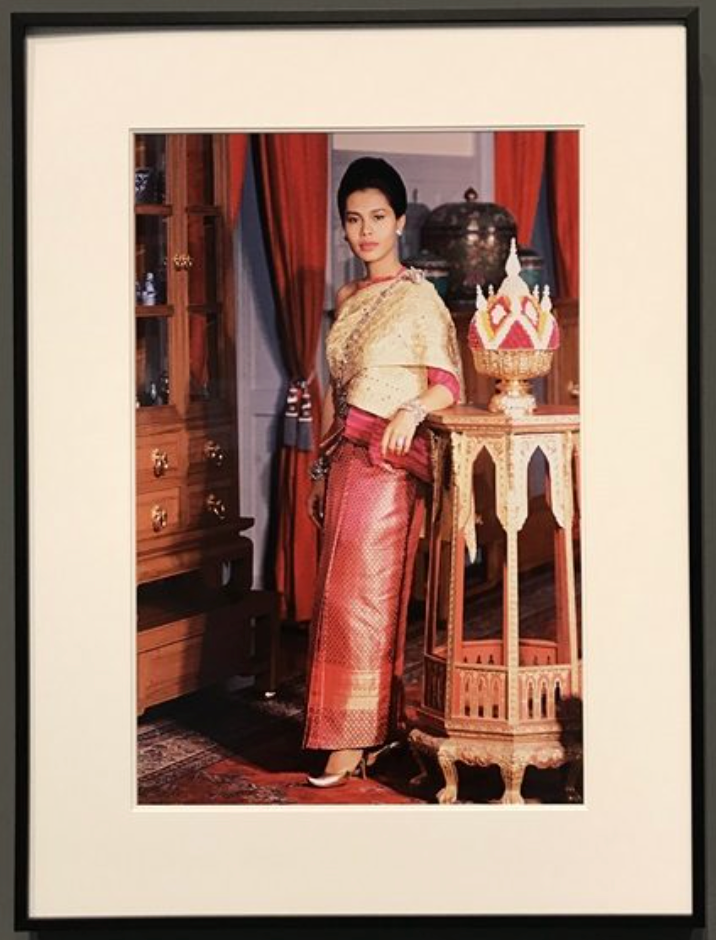
Queen Sirikit Kitiyakara, pictured in the royal car.
Secrets of the “dark room”
The king was a profound connoisseur of color theory and an expert in the field of development. He set up his own darkroom on the ground floor of the radio station building, where he personally developed films and printed photographs. The king mastered working with automatic color printing machines, independently correcting the colors in the pictures.
A trip to the mountains on the outskirts of Lausanne, Switzerland, after the engagement. The area was located near the university where the king studied.
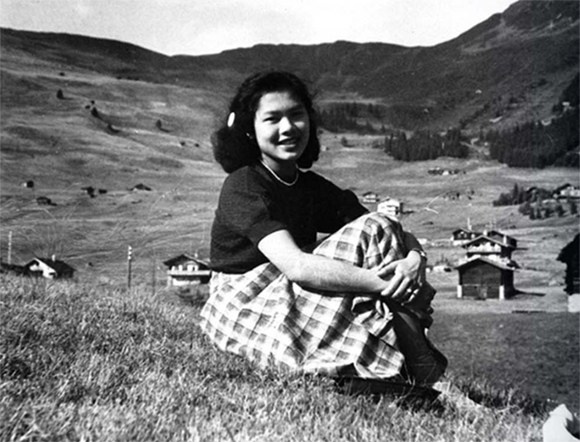
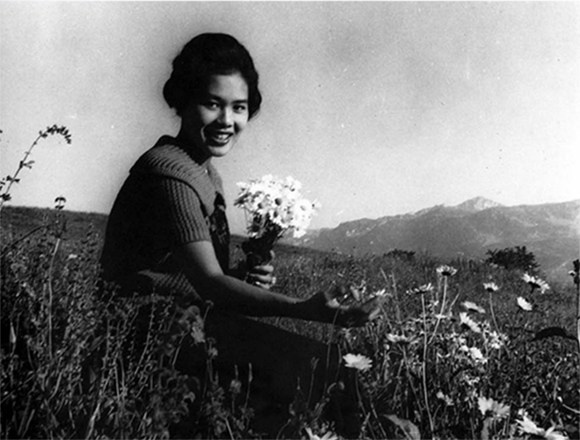
Queen Sirikit Kitiyakara collects daisies in a flower field in Switzerland
Behind Rama IX has received international recognition for his exceptional skill and dedication to photography. He was awarded the title of Honorary Fellow The Royal Photographic Society of Great Britain and received the highest honorary diploma from the International Federation of Photographic Arts (FIAP). In 1971, the Photographic Association of Thailand also awarded him the Golden Needle of Photography.

History
Photography is the art of freezing a moment with light. A moment that will never happen again, whether it’s a sunset or a portrait of a man. The sun in the clouds sets below the horizon in different ways each time, and people change as they grow up, age, and change their hairstyle.
A photograph taken becomes more valuable only after a year, especially if it could not be repeated by someone else. These are the prints of King Rama IX. What he filmed during his life in his family behind the closed doors of the palace, no one could repeat, and at the same time, millions of people would be interested to see with at least one eye what was going on there.
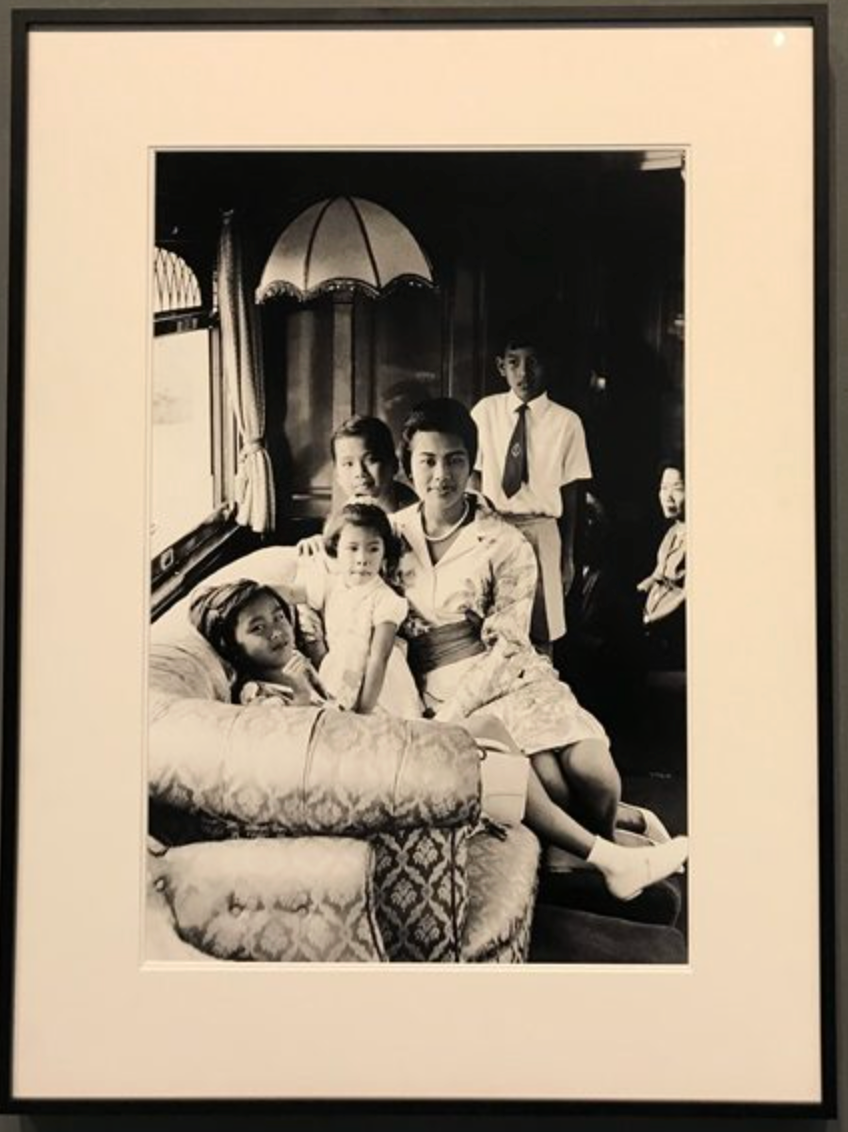
In these pictures, you can observe the growing up of King Rama X, a man whose portrait is familiar to every Thai, because it is on banknotes and in many government agencies and parks. They have imprinted his image of a majestic and formidable king, and in the pictures taken by his father, you can see that he, too, was an ordinary cute child.
So what makes these photos so meaningful?* Unusual composition or frame quality? History is what makes these pictures so significant and interesting.






Да пребудет с тобой светосила!
У меня нет спонсоров, поэтому буду репостам понравившейся статьи в соцсетях.


Guide to working with light and camera



“Clamshell” lighting setup