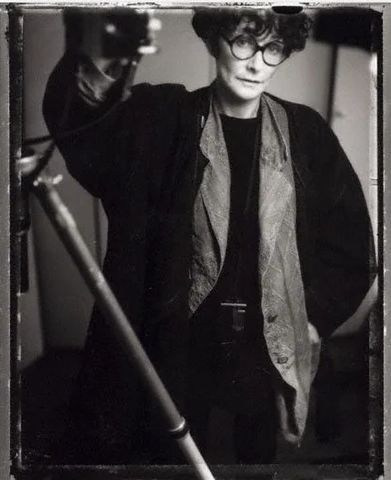
Sarah Moon
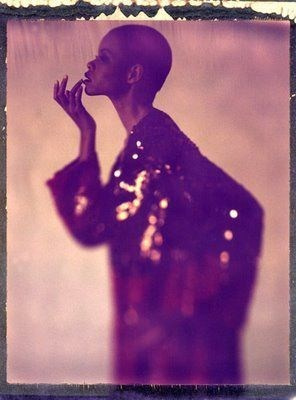
A photographer who shot in color at the dawn of photography. Her works have become an inspiration for many photographers of our time.
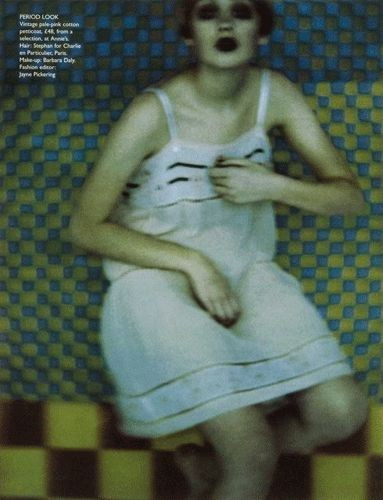
Technical flaws in her works become an advantage. It’s precisely now that we should take a closer look at her works. In the era of the perfect AI‑generated image, she becomes a benchmark for living photography.
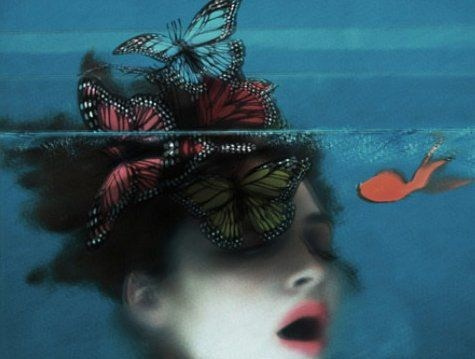
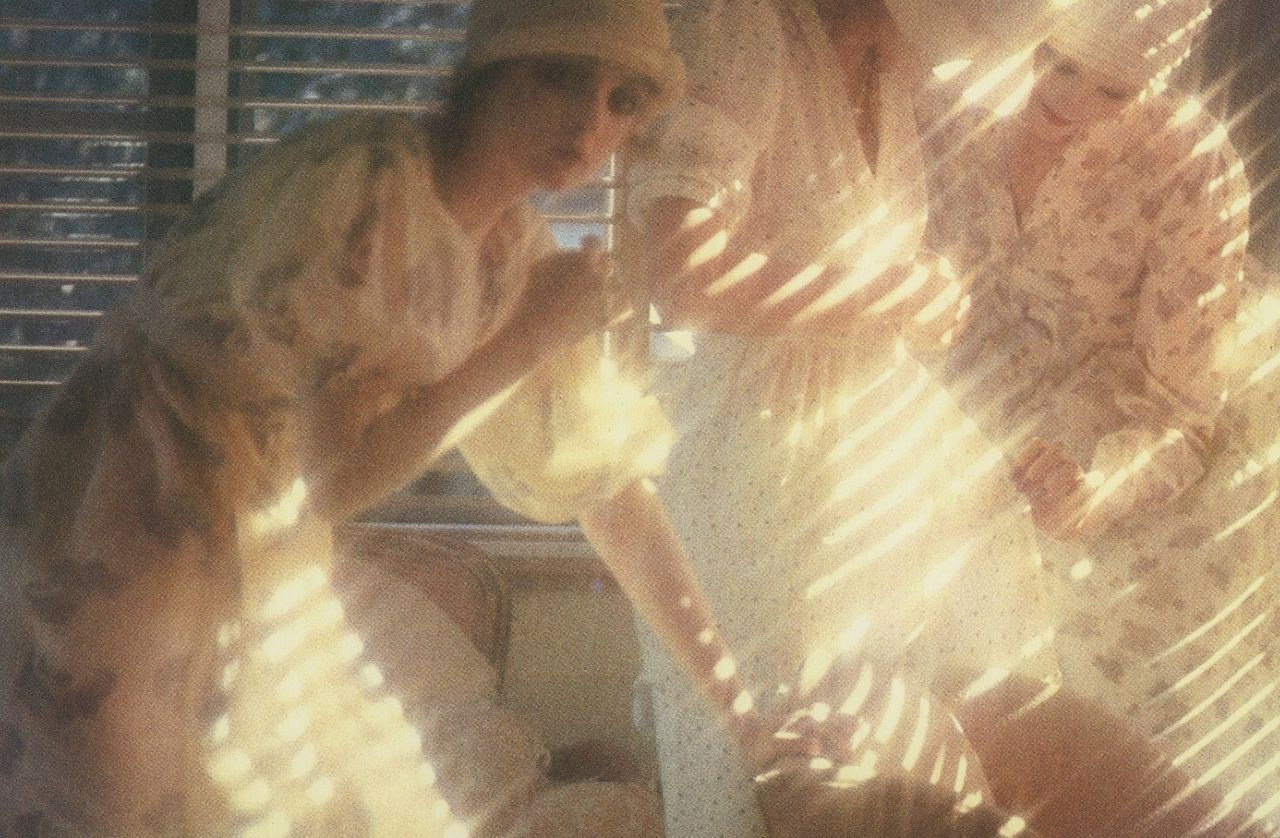
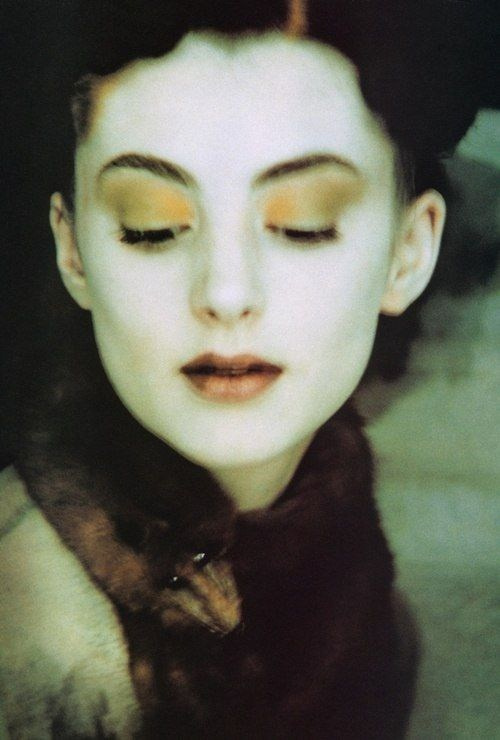
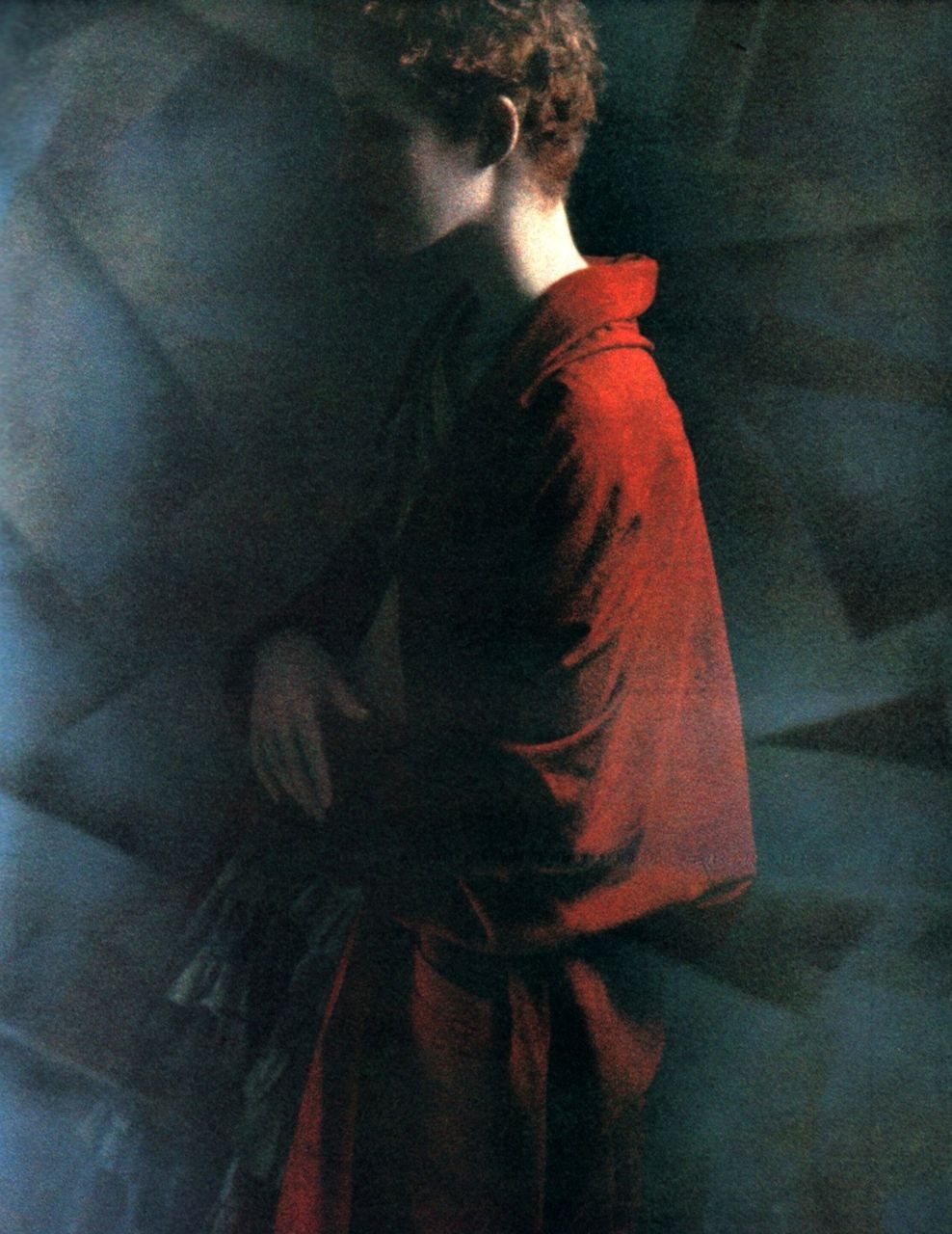
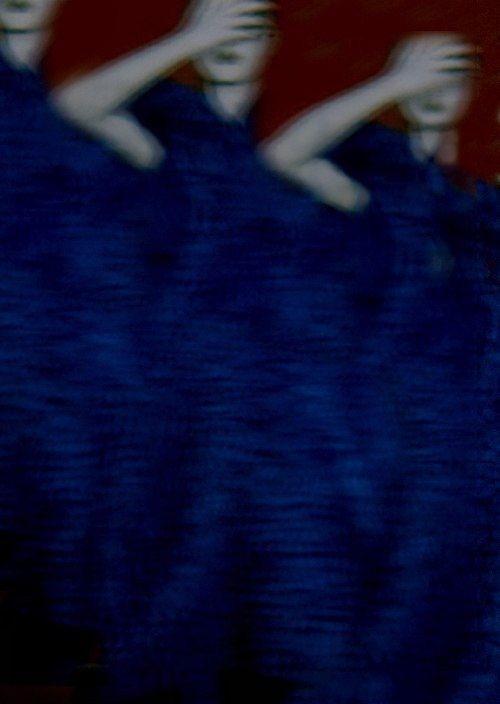
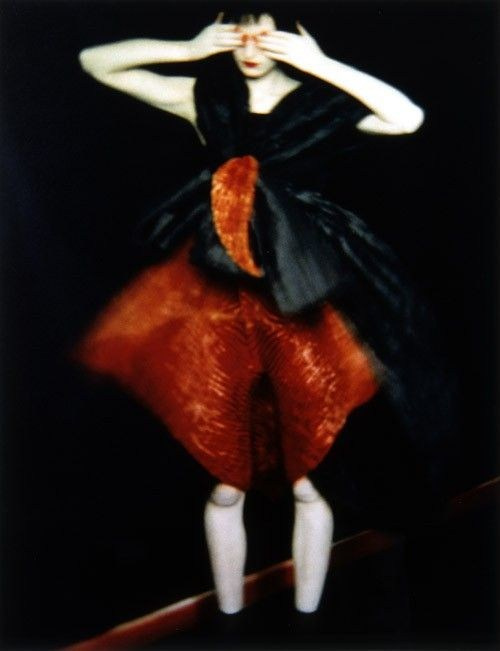
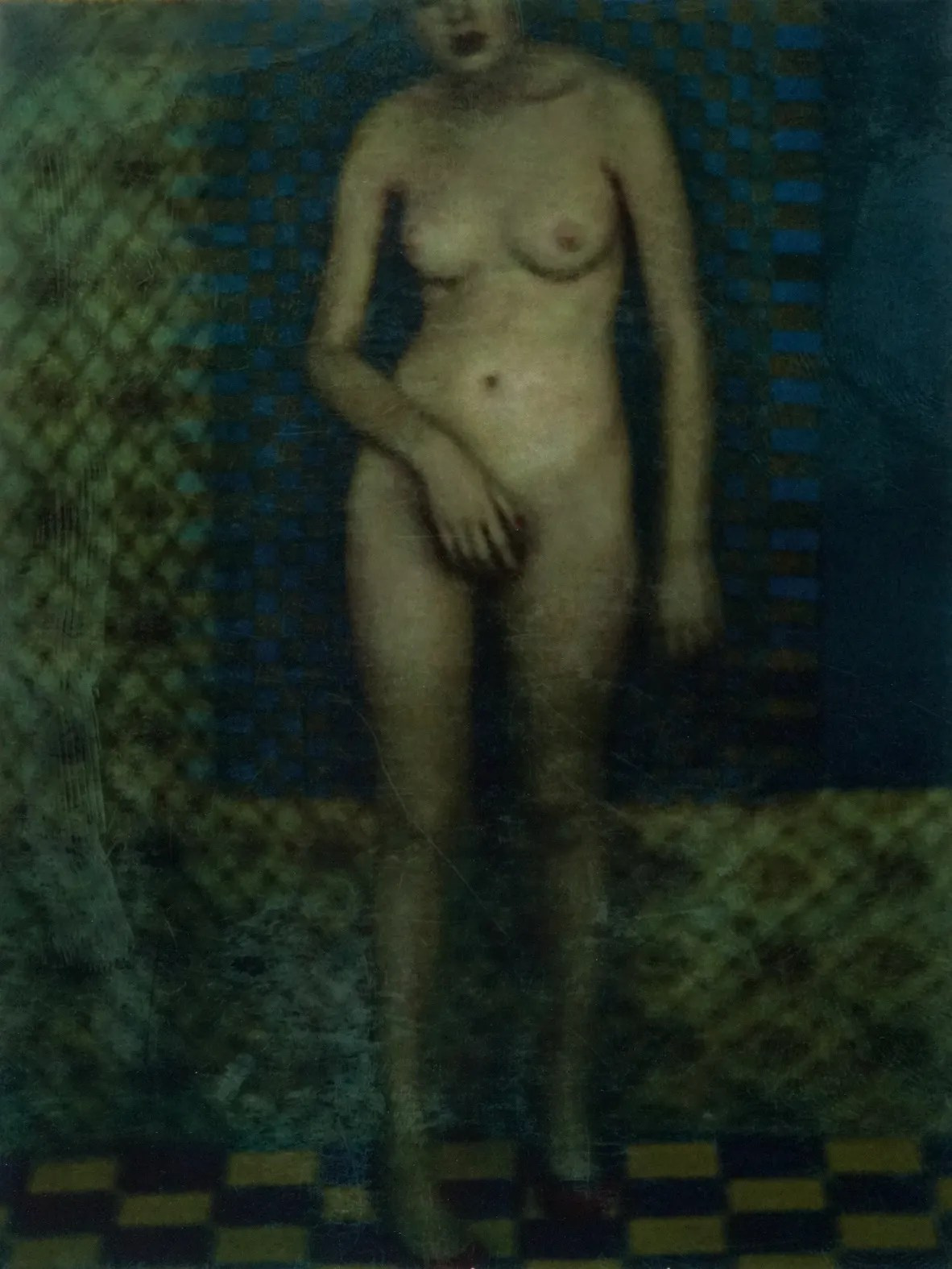
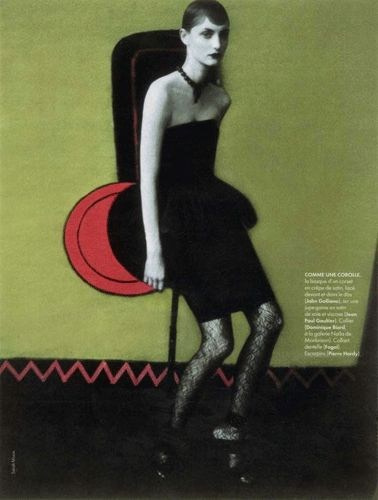
She revolutionized the world of fashion photography in the 1970s, replacing glossy sharpness with poetic understatement. But few people know that before becoming a visionary in the global fashion industry, she herself walked the catwalks of high fashion.
Childhood in the shadow of war and the catwalk of the sixties
Sarah Moon was born in 1941 in Vichy France under the name Marielle Hadengue. Due to her family’s Jewish background and the German occupation of France, the girl’s childhood was spent in flight — the family emigrated to the UK.
As a teenager, Mariel was passionate about painting and graphic arts, but fate had other plans: thanks to her striking appearance, from 1960 to 1966 she successfully worked as a haute couture fashion model in Paris and London. Footage featuring Mariel herself on the catwalk today is an extremely rare find: in the archives of that era, the names of models often remained off‑screen, and she herself never sought publicity.
Changing Perspectives: The Birth of a Pseudonym
Curiosity was the turning point. Observing photographers at work, Mariel began to pick up a camera, taking pictures of her fellow models during breaks between catwalk shows and in the dressing rooms. Her gaze lacked objectification or a stiff pose — she saw the fatigue, the fluidity, and the naturalness that were hidden from the public’s eye.
By 1967–1968, she had completely abandoned her modeling career, adopted the pseudonym Sarah Moon, and devoted herself entirely to photography. Later, the photographer recalled that the fictional name gave her freedom and helped her distinguish between her past life on the catwalk and her new creative vision.
Swinging London, Biba department store, and the breakthrough with Cacharel
The late 1960s in London were buzzing with counterculture. Moon instantly fit into this atmosphere, starting a collaboration with Barbara Hulanicki — the founder of the legendary Biba store, the epicenter of London fashion at that time. Sarah’s photographs captured the romantic and decadent spirit of the Art Deco era, which the brand cultivated.
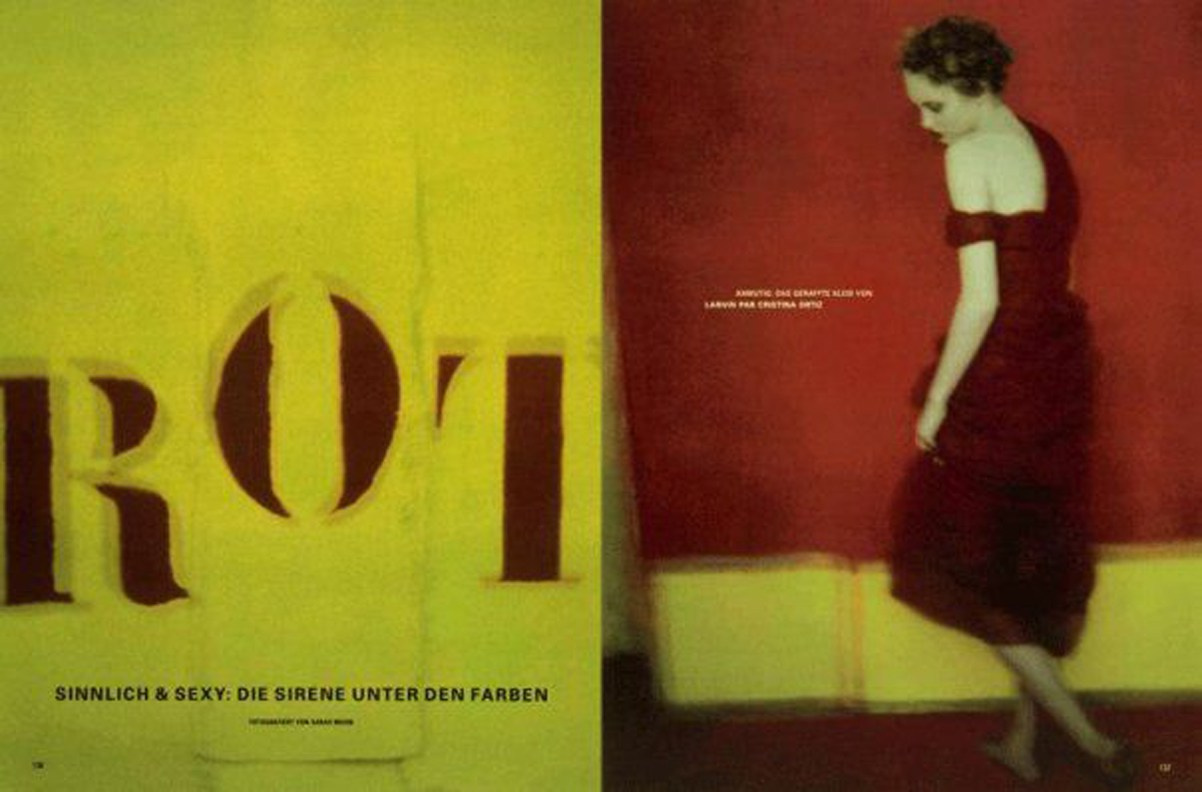
Around the same time, at the turn of the 1960s and 1970s, Sarah Moon began a long‑term creative partnership with the French house Cacharel and its founder, Jean Bousquet. It was for Cacharel that Moon created the legendary advertising campaigns that defined the style of the decade: young heroines in flowing dresses with floral prints seemed to dissolve in the haze of a summer afternoon.
The historic Pirelli calendar and global recognition
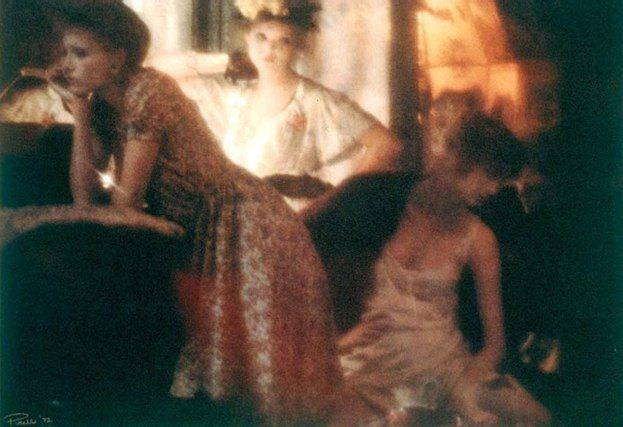
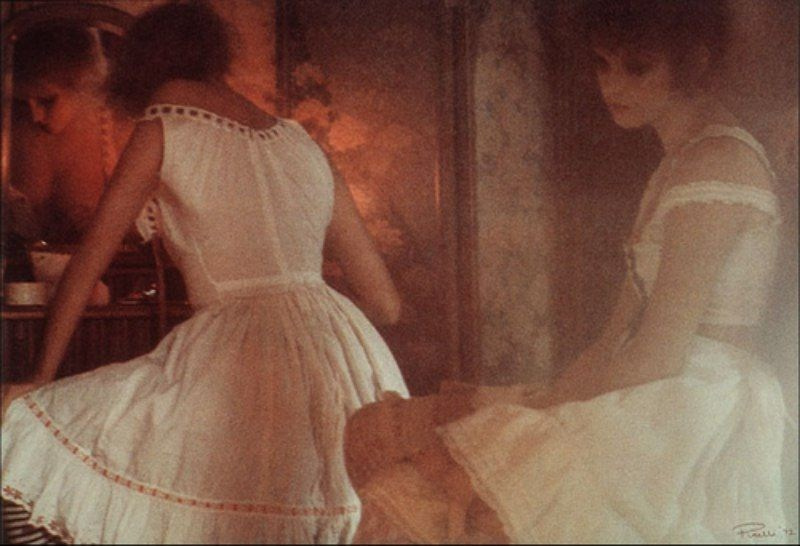
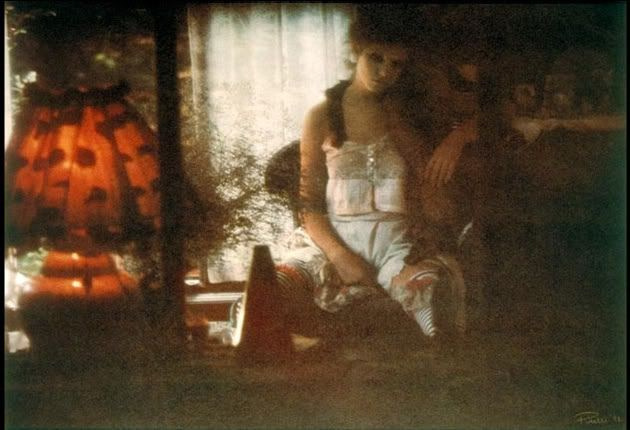
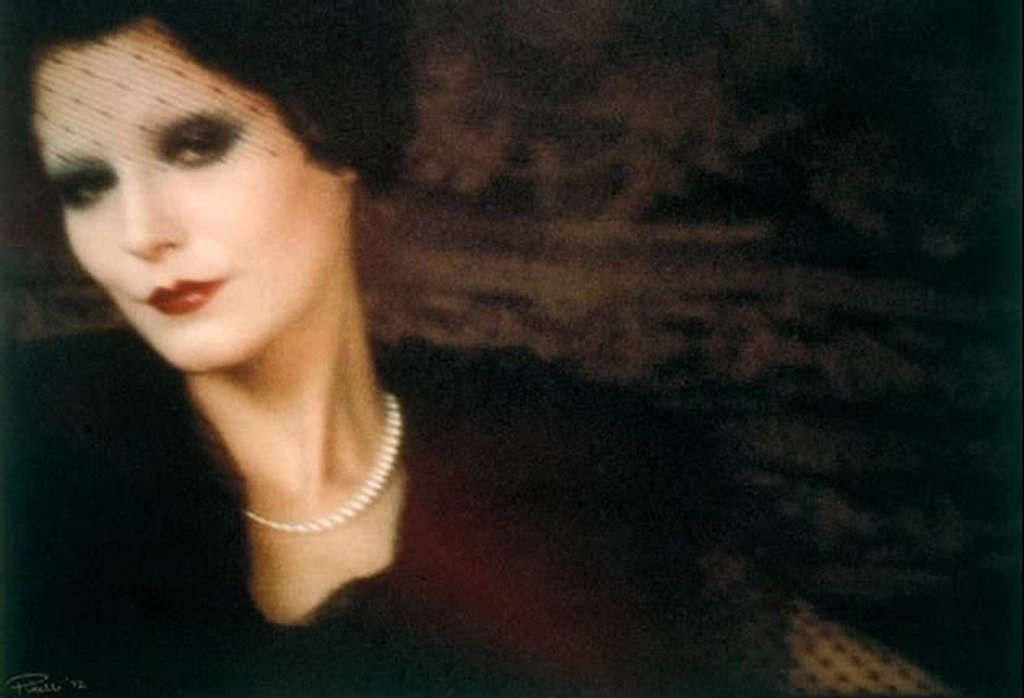
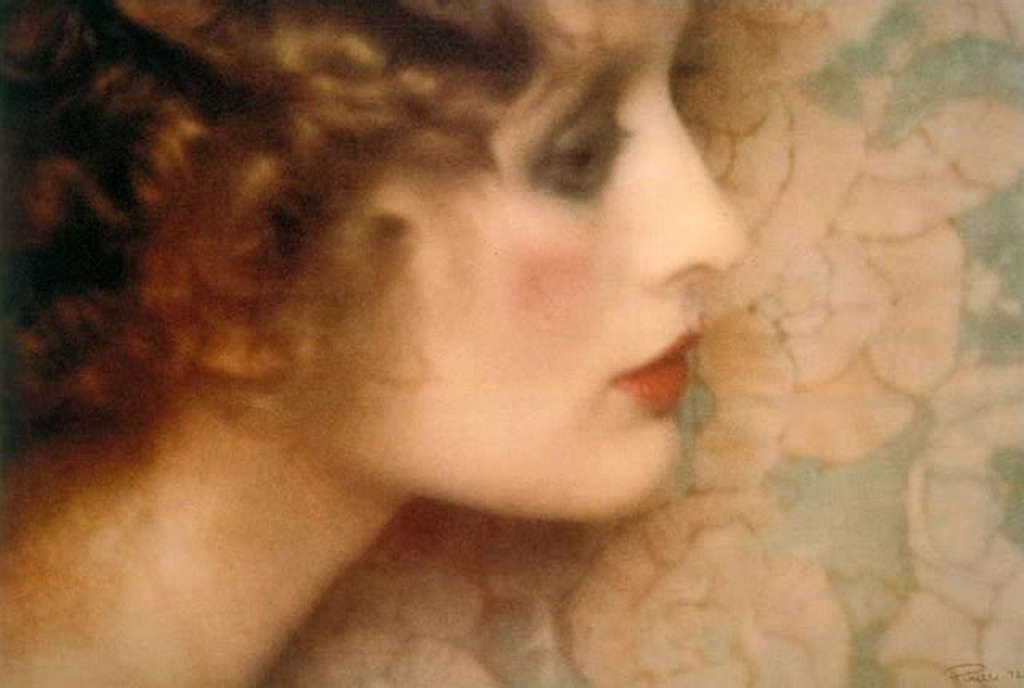
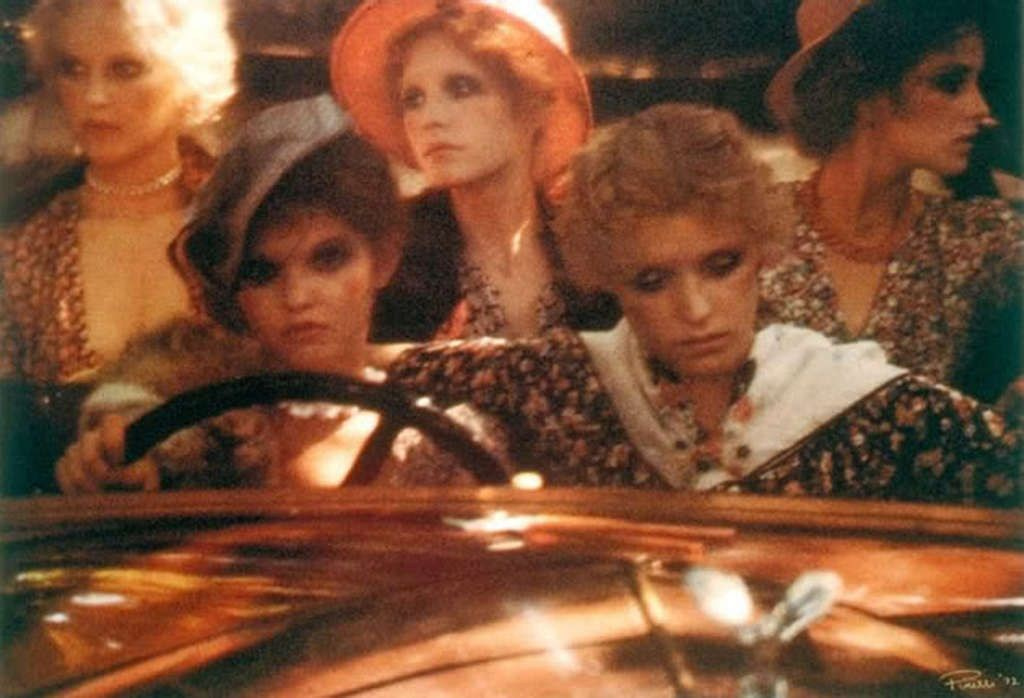
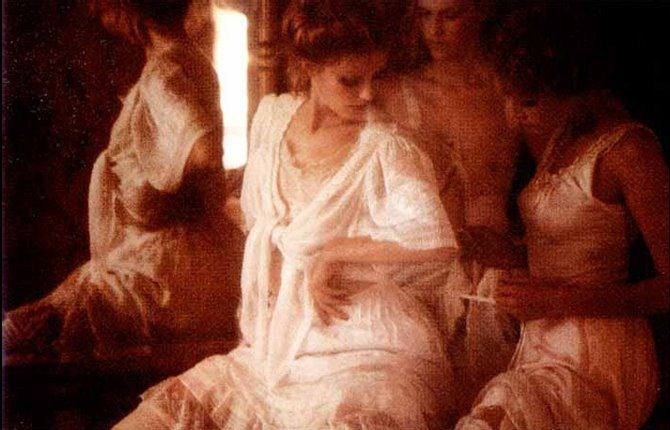
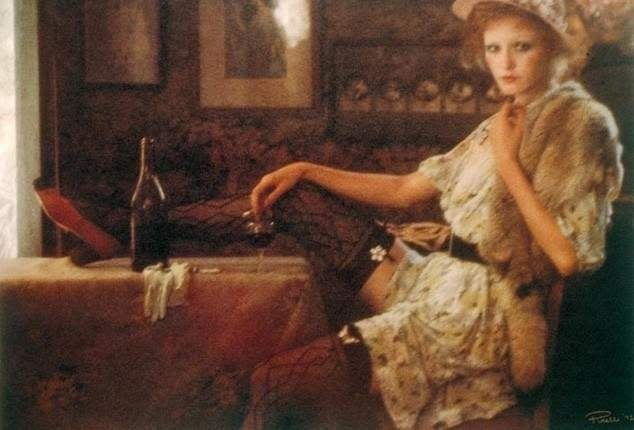
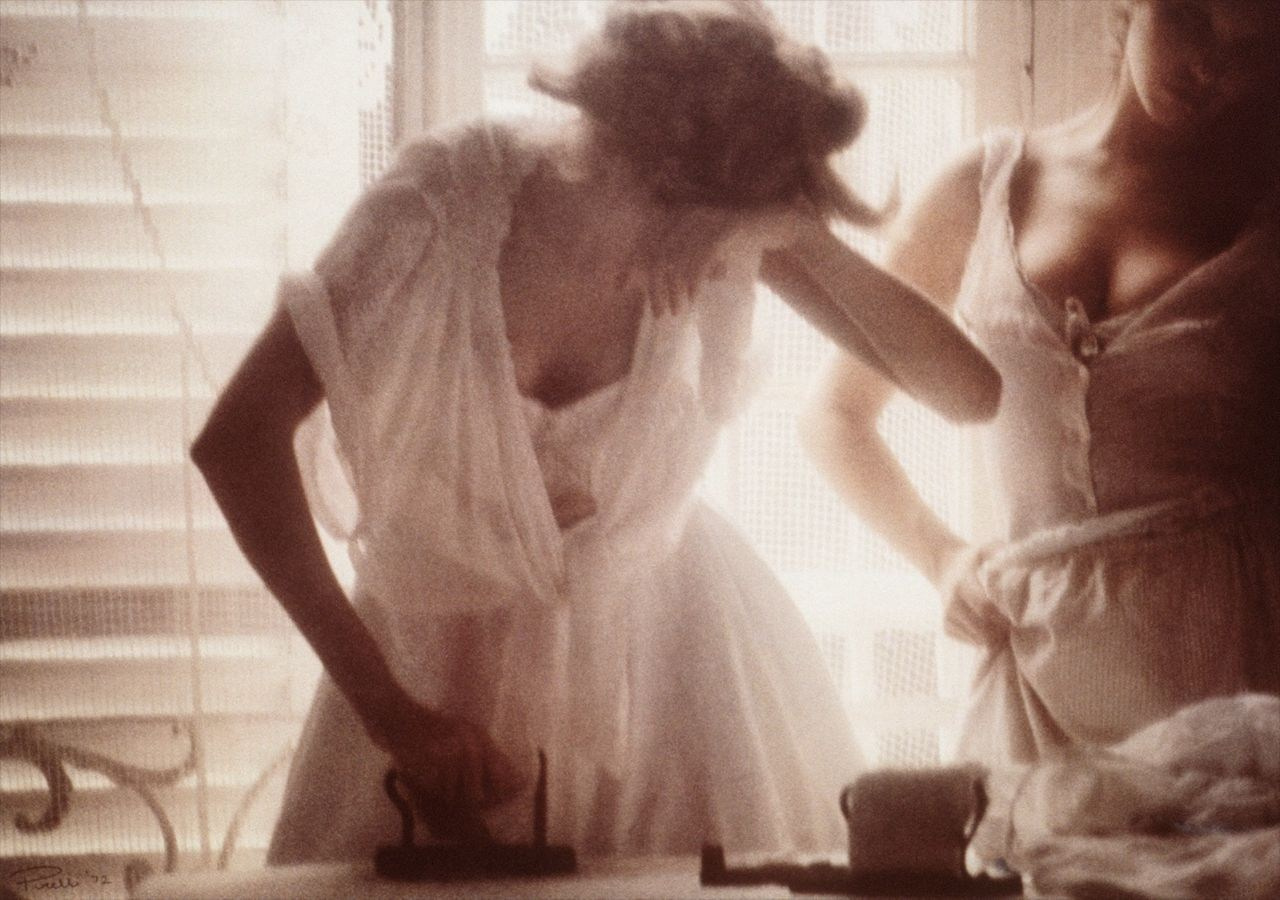
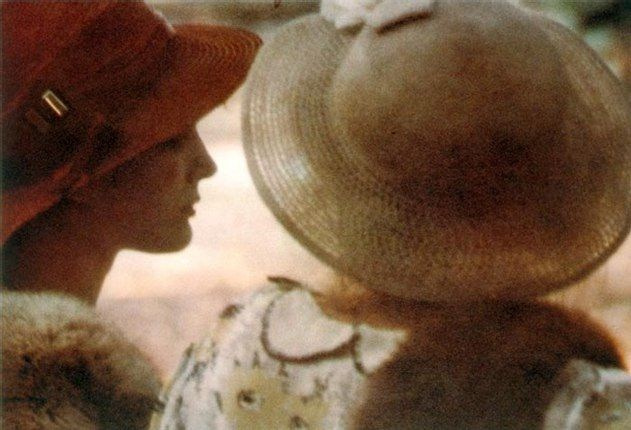
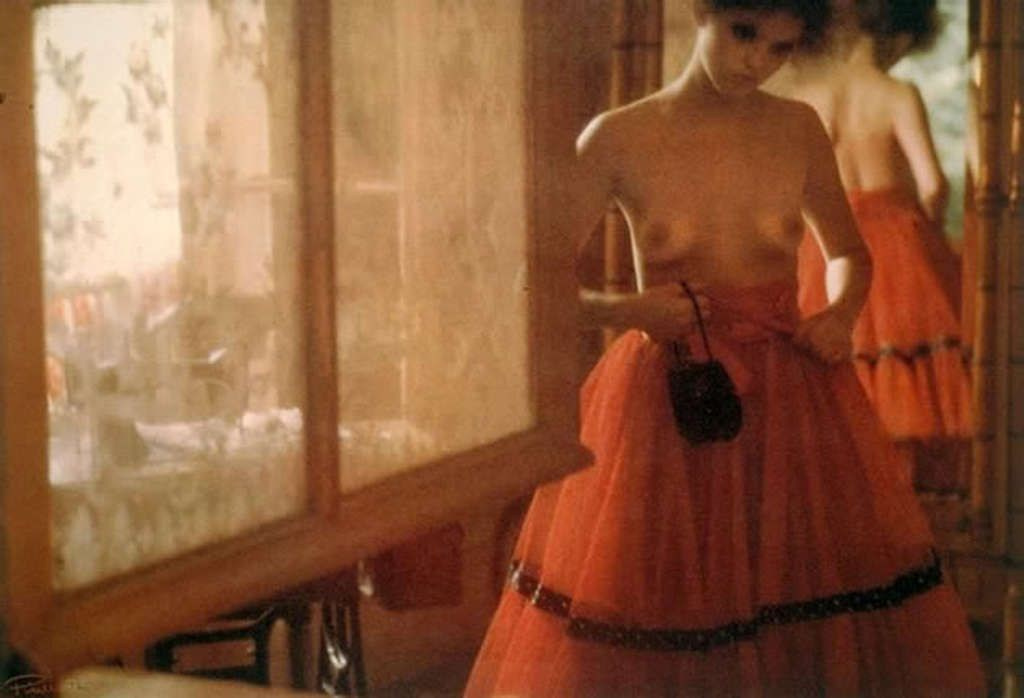
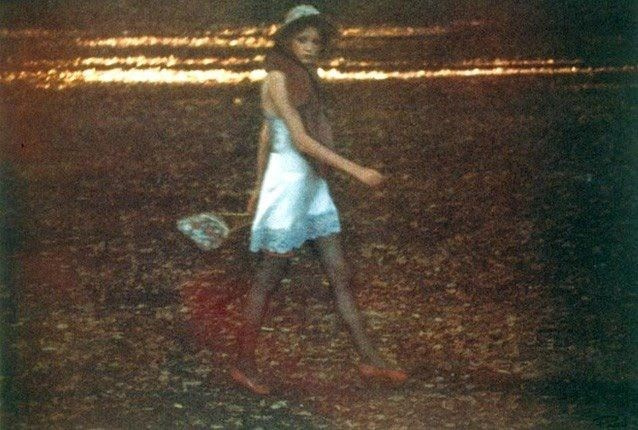
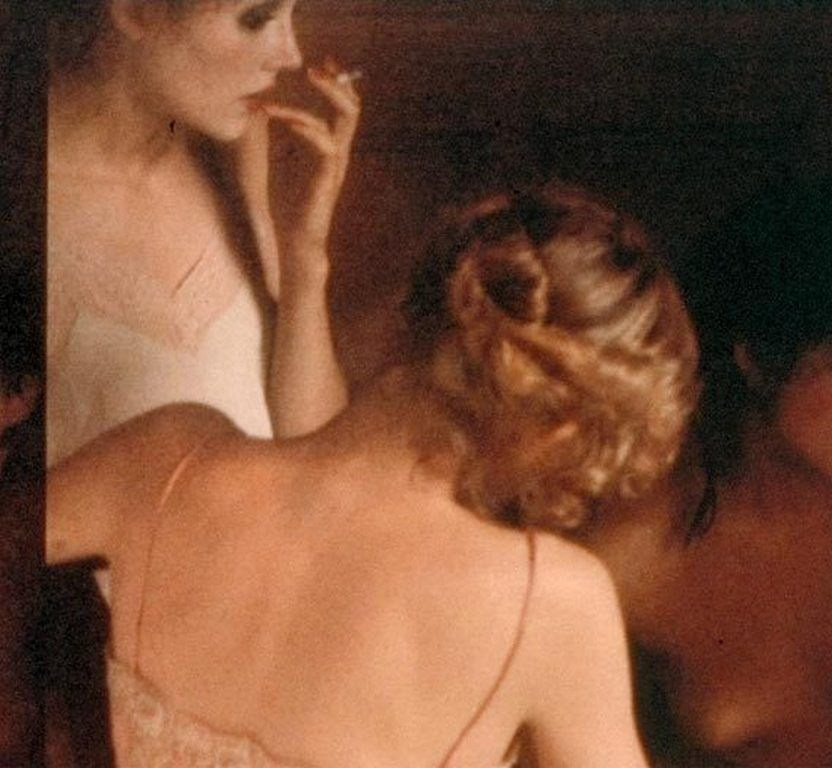
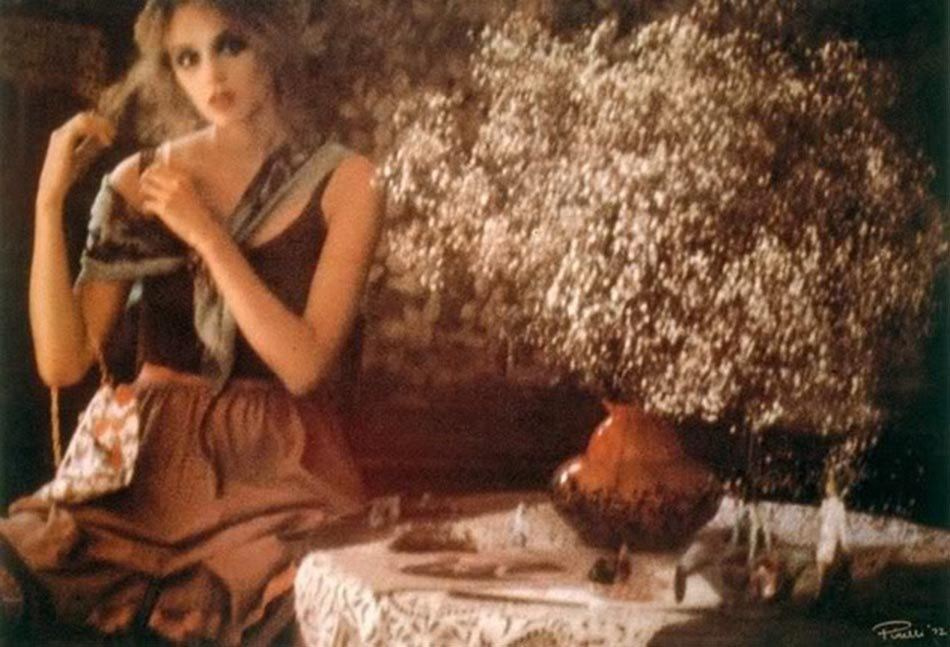
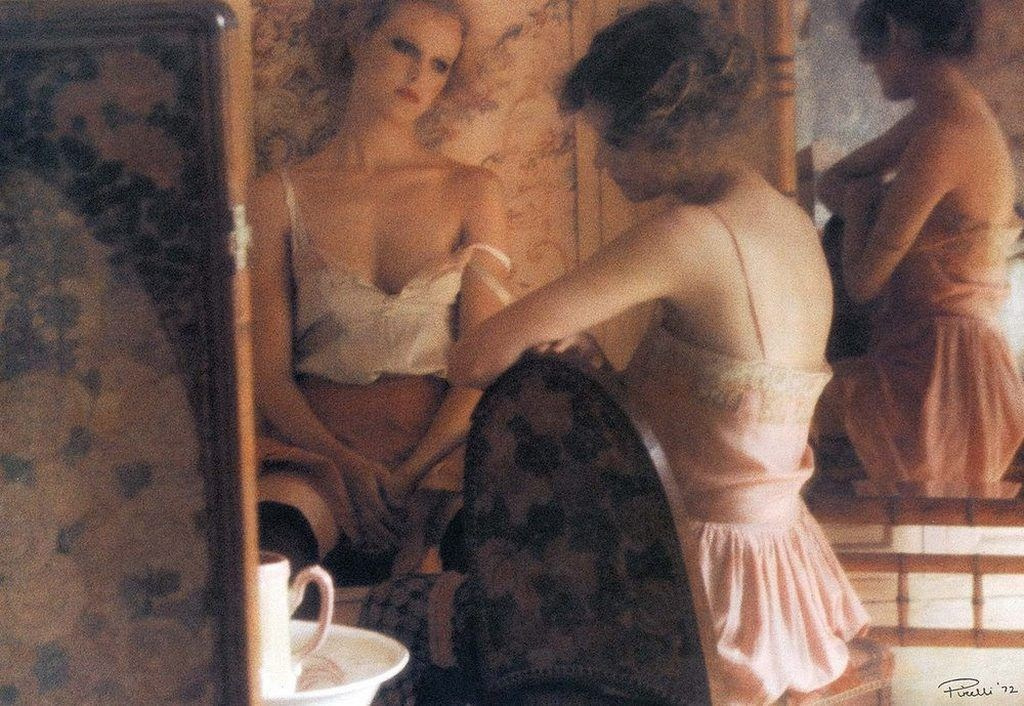
In 1972, a tectonic shift occurred in a traditionally conservative industry: Sarah Moon became the first woman to be entrusted with shooting the iconic Pirelli calendar. Prior to that, the calendar had been associated exclusively with an unvarnished male perspective on female sexuality. Moon offered a fundamentally different perspective — sensual, watercolor‑like, intimate, and free from vulgarity.
Sarah Moon for Pirelli Calendar 1972
Signature Style and Departure from Commercialism
Sarah Moon’s artistic language developed at the intersection of painting and early pictorialism:
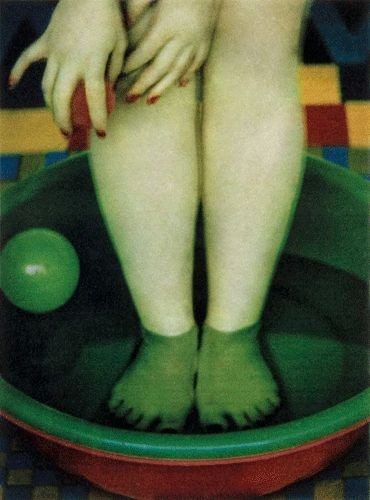
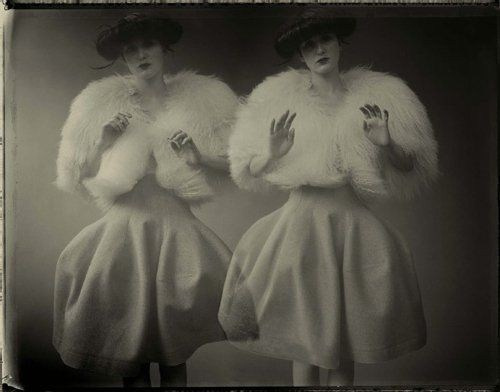
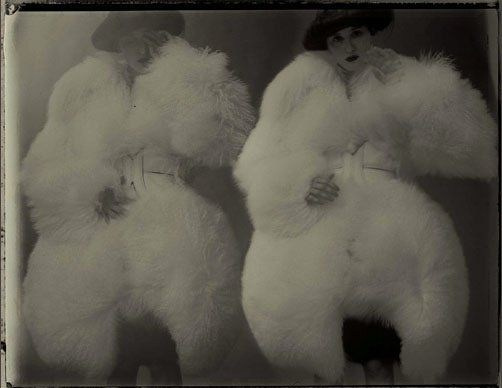
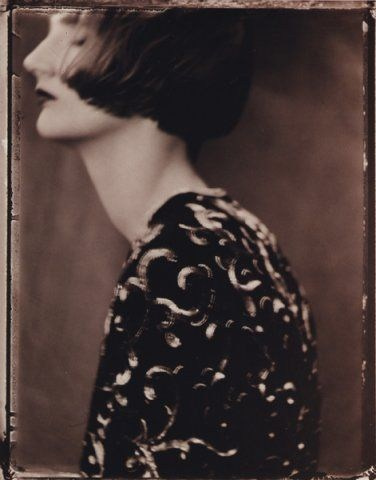
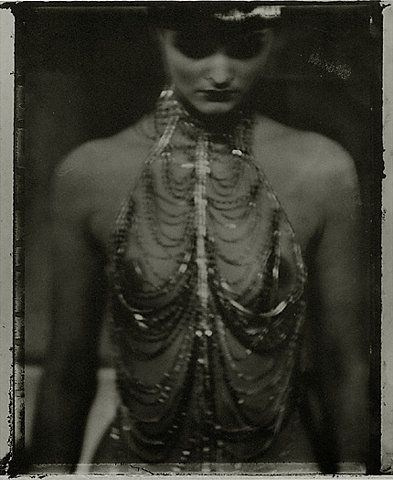
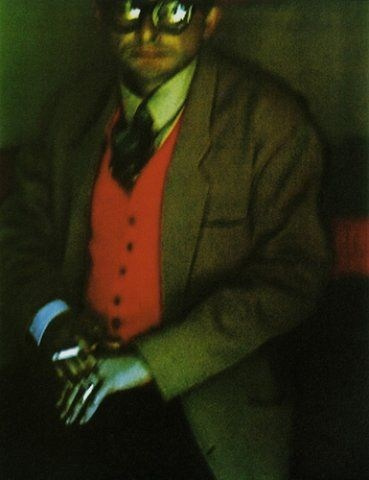
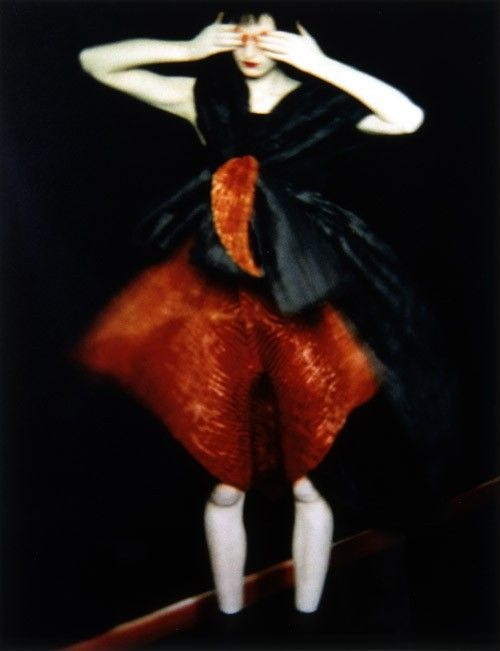
Polaroid Magic: Her main tool was the Polaroid Type 665 instant film (which produced both positive and negative images), which she manually developed, scratched, toned, and subjected to chemical manipulations to achieve the texture of vintage painting.
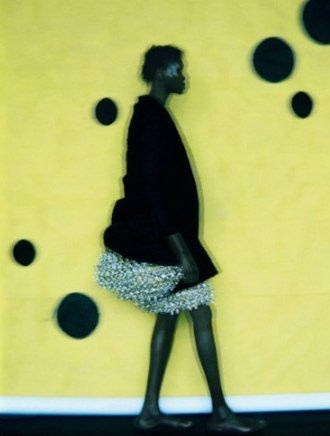
Smoothed movement and defocus: Moon was one of the first to prove that fashion photography doesn’t have to be sharp — the dress and silhouette are more interesting to discern through movement and light.
Film and dark fairy tales: By the mid‑1980s, Sarah was tired of commercial fashion. She moved into film directing (she made the feature film Mississippi One in 1990, as well as short film adaptations of fairy tales by Charles Perrault and Hans Christian Andersen), creating dark, hypnotic visual parables.
I’ve always photographed not what’s happening in front of the camera, but what’s no longer there — the fleeting moment, the memory of it, and the illusion” — this principle made Sarah Moon a figure who transcends fashion and time, proving that fashion photography can be a high form of visual art.

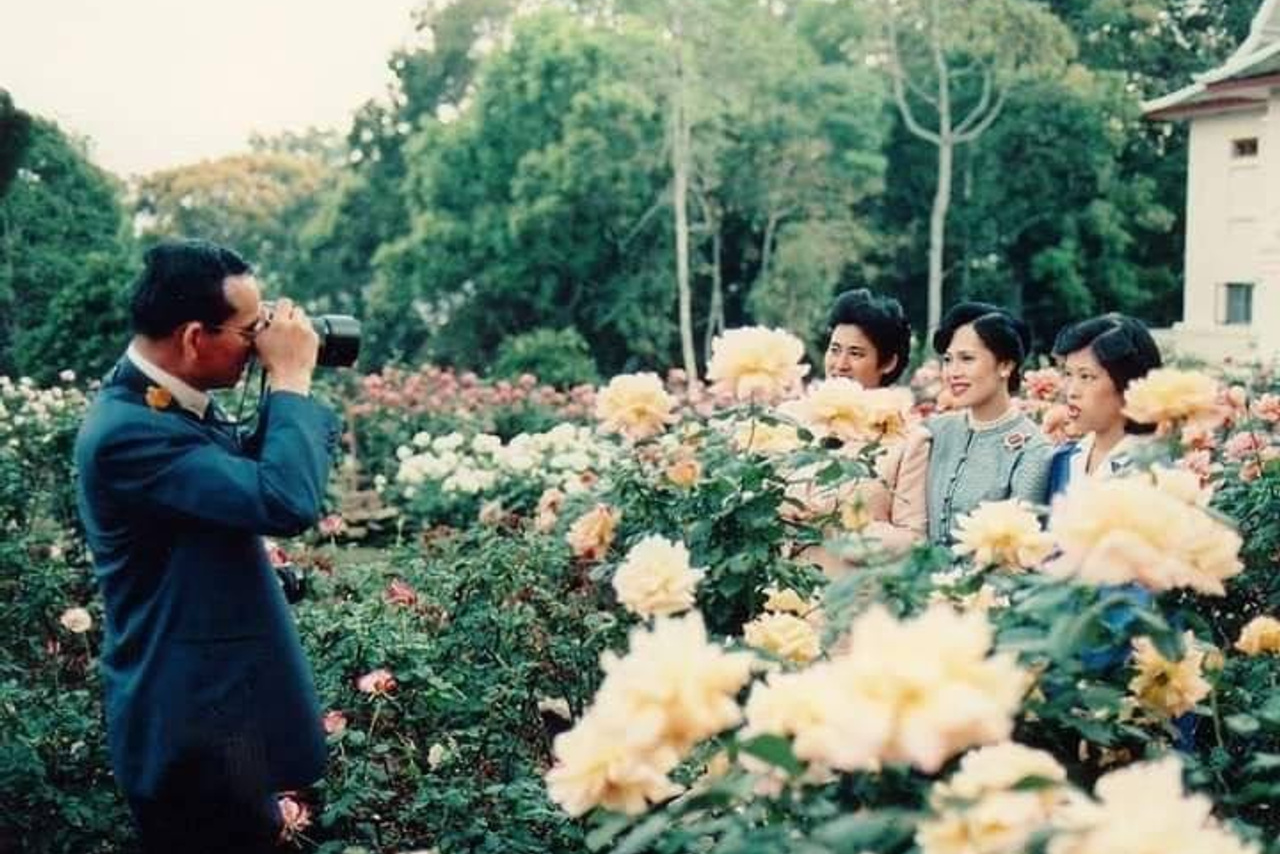
Rama IX (Bhumibol Adulyadej) — King of Thailand and Photographs



Guide to working with light and camera

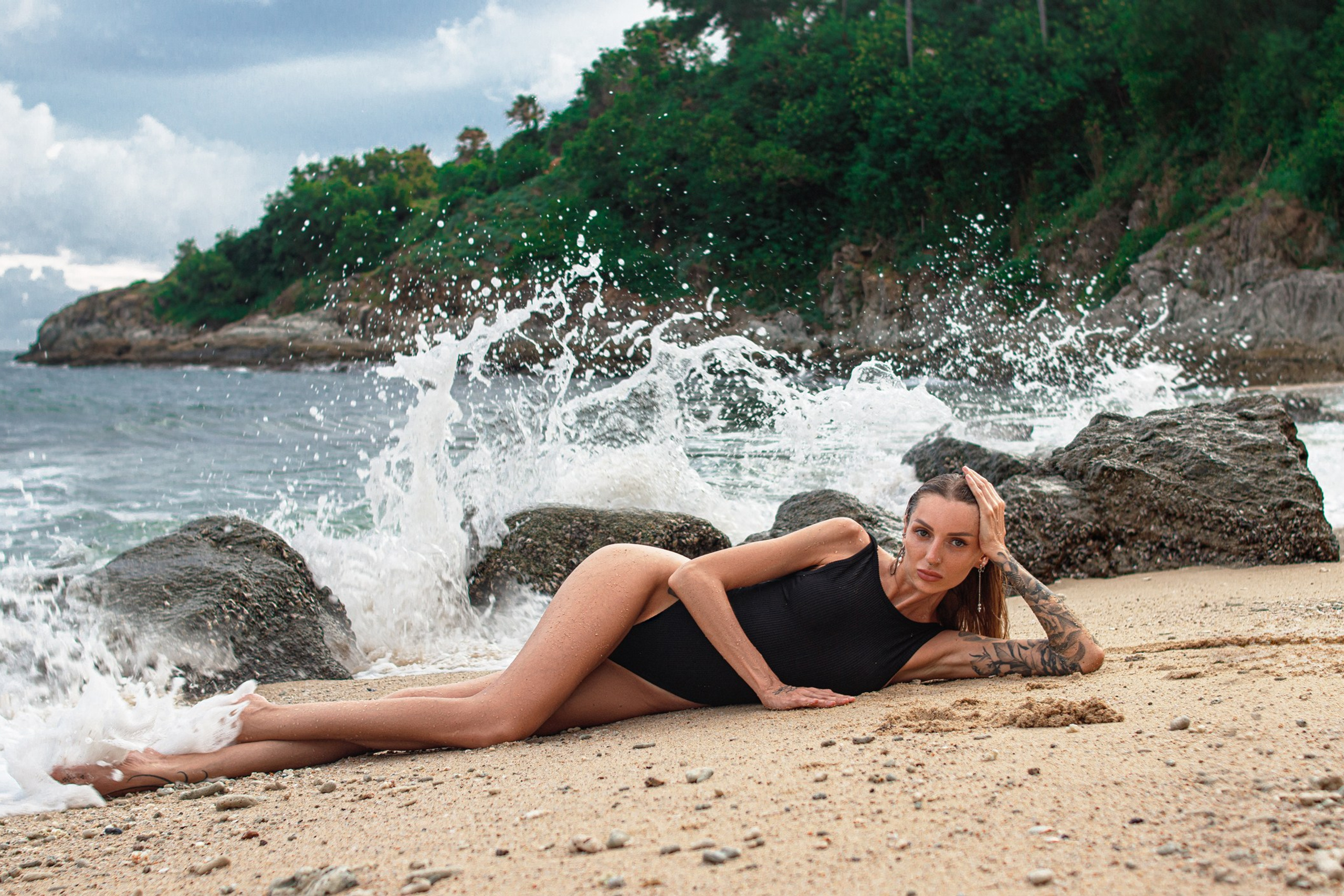


“Clamshell” lighting setup